Key Takeaways
- SEO means making your business easier to find online—especially when people are ready to buy.
- What counts as “good SEO” has changed. AI, Google, and user behavior are all shifting the rules.
- A solid SEO approach covers your website, your presence across the web, and how trustworthy you seem.
- SEO isn’t instant. But done right, it builds long-term momentum that ads alone can’t match.
A few weeks ago, we shared a blog post entitled “Is AI Killing SEO?” on our Facebook page. It got a lot of engagement, but we also saw the same comment over and over:
“What’s SEO?”
Not gonna lie…that caught us off guard. As we approach 2025, SEO is much more of a household term than it used to be, especially in the marketing world. But even so, if you’re a business owner juggling payroll, inventory, and customer calls, you probably don’t spend your day thinking about search algorithms like we do.
Maybe you already have a general idea of what SEO is—or maybe you’ve just been nodding along in meetings hoping someone else will explain it. Either way, no judgment.
Let’s walk through what SEO actually means today, how it’s changed over the years, and where it fits into your business if you’re trying to be more findable online.
First off, what the heck is SEO?
SEO stands for search engine optimization.
It sounds technical, but it’s really just about helping people find your business when they search online.
It’s not about chasing clicks or gaming the algorithm. It’s about making sure that when someone Googles “roof repair near me” or “best family dentist in Tri-Cities,” you’re in the mix—and ideally at the top.ne Googles “roof repair near me” or “best family dentist in Tri-Cities,” you’re in the mix—and ideally at the top.
SEO today is not what it was five years ago
If you think SEO is just picking keywords and writing blog posts, you’re stuck in 2015. Search has changed. Big time.
- Google’s using AI to answer more questions directly in search results
- User behavior (like bounce rate and time on site) plays a bigger role in rankings
- The content bar is higher—fluffy posts don’t cut it
- Your Google Business Profile, online reviews, and even how fast your site loads all impact visibility
Bottom line: SEO today is about trust, helpfulness, and how well your business shows up in context—not just how often you say the right words.
Want to cut through more of the marketing jargon?
Check out our marketing term glossary.
What actually goes into SEO in 2026?
Your website
Fast, mobile-friendly, easy to navigate, with content that clearly explains what you do and who you serve. If your site’s confusing or outdated, that’s going to hurt your rankings and your conversions.
Your presence across the web
Google doesn’t just look at your website. It’s looking at reviews, directory listings, your Google Business Profile, and mentions on other sites. Inconsistent or missing info? That’s a problem.
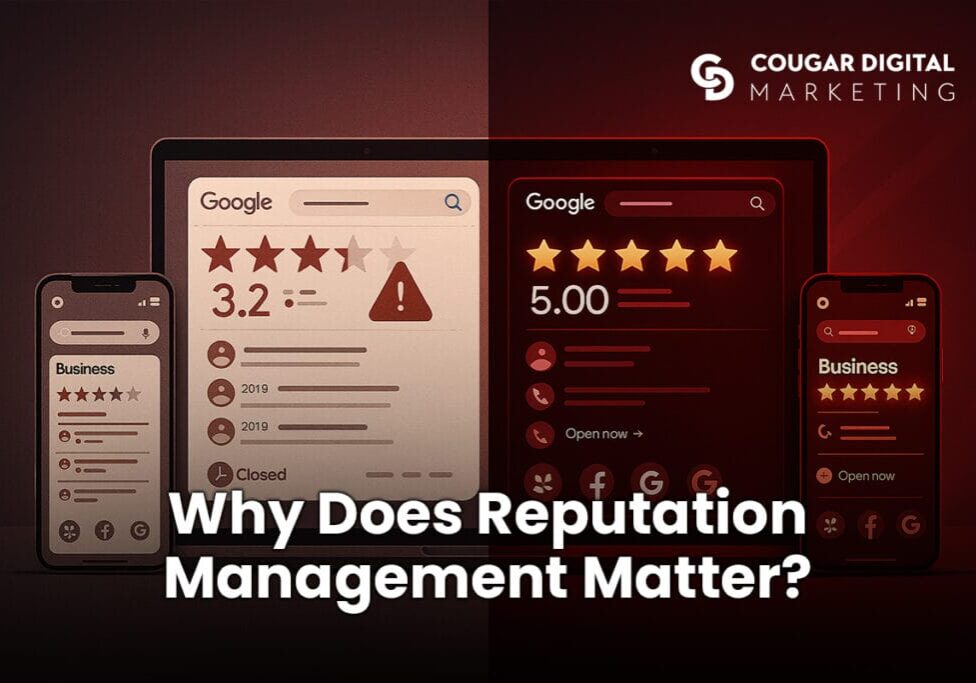
Read: What People See When They Google You (And Why Reputation Management Matters)
Your trust and authority
This includes backlinks from credible sources, how long your site’s been around, review quality, and more. Google wants to show searchers sites that seem trustworthy. So you’ve got to earn it.
What SEO looks like in the real world
Let’s say you run a law firm in Tri-Cities.
Someone searches “business attorney near me.”
They’re not browsing for fun—they need help, and they’re ready to hire.
Now imagine what happens next:
- Your competitor’s site loads quickly.
- It’s mobile-friendly and easy to read.
- They have 50+ five-star reviews and clear service info right on the homepage.
- Their Google Business Profile is updated, with fresh photos and accurate hours.
Your site, on the other hand, loads slowly.
It hasn’t been updated in years.
You’ve got a few scattered reviews and outdated contact info.
Which one do you think gets the click?
That’s SEO in action. It’s not just about keywords—it’s how your whole online presence builds trust before someone even picks up the phone.
What SEO is not
Let’s kill a few myths while we’re here. SEO is not:
- A magic switch that turns on leads overnight
- Something you can set and forget
- Just “adding some keywords” to your site
- A trick to outsmart Google
- Something only big companies need
- Guaranteed results (but it is trackable and improvable)
SEO is also not a one-size-fits-all service. A local bakery with a small footprint doesn’t need the same SEO strategy as a regional medical clinic or a commercial contractor. If someone tries to sell you a “standard package,” ask questions.
And finally—good SEO isn’t cheap, but bad SEO is expensive. The wrong strategy can tank your visibility, confuse your customers, and take months to recover from.
Not sure what to spend on marketing?
Find out in 30 seconds.
Plug in your numbers, get a smart budget instantly.

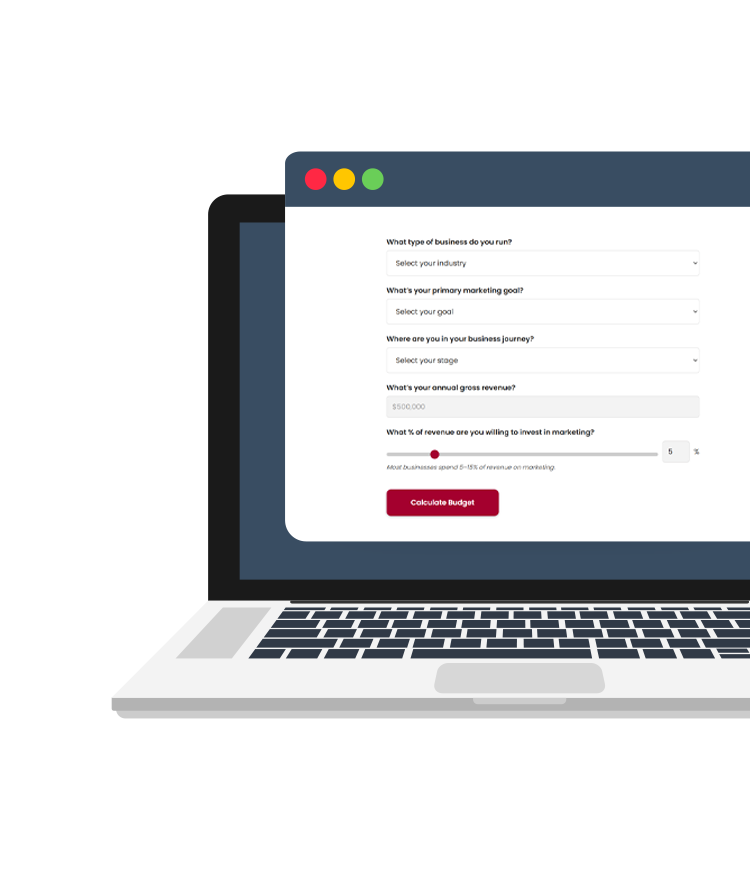
...because 'just throw money at it' isn't a marketing strategy.
So… should you care about SEO in 2026?
Here’s the thing: most businesses already do SEO without realizing it. Every time you ask for a review, update your website, or create a helpful blog post, you’re sending signals that help you rank.
But the difference between accidental SEO and intentional SEO is whether it actually works.
You should care about SEO if:
- You want people to find you when they’re looking for what you offer
- You want to build long-term momentum that isn’t dependent on ad spend
- You want your best customers to find you before they find your competitors
- You’re tired of hearing “I didn’t even know you were in town!”
SEO isn’t always the first move, especially if your website is brand new or your audience is hyper niche. But it should be part of your marketing mix if you plan to be in business for the long haul.
Final thoughts
SEO doesn’t need to be mysterious, technical, or out of reach. It just needs to work—and that means showing up in the moments that matter. Whether you’re doing it yourself or working with someone, the goal is the same: make it easy for your ideal customers to find you when they’re looking.
Want to talk through what SEO could mean for your business? Let’s talk!
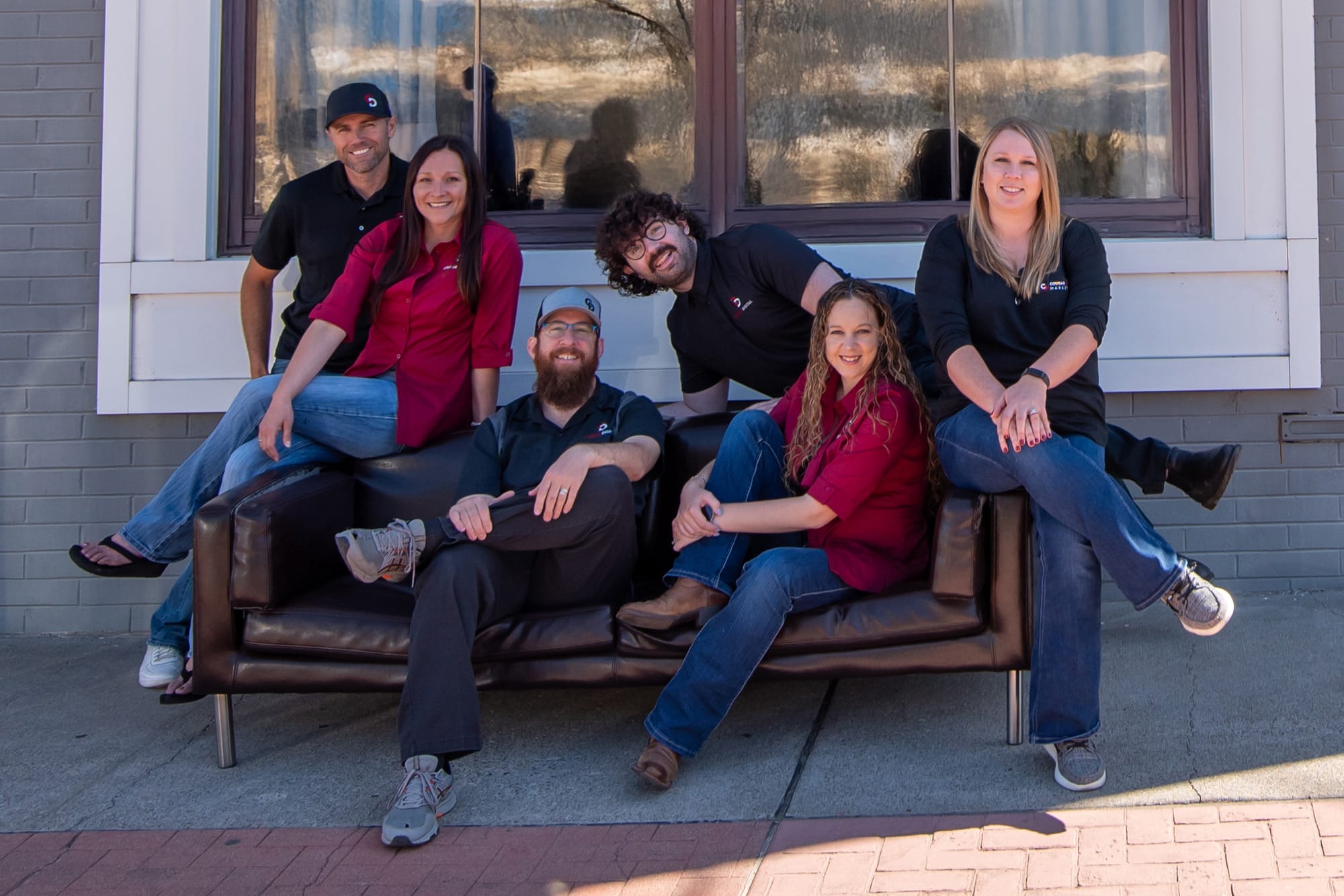
Sign up for a FREE marketing analysis & consultation!
In about 30 minutes, we'll cover your:
-
Business Goals and Challenges
-
Current Marketing Efforts
-
Target Audience and Market Insights
-
Competitor Analysis
-
Customized Growth Opportunities

Still curious? There's more where that came from.
Cougar Digital Marketing is a web design and digital marketing agency based in Tri-Cities and Prosser, Washington. We build custom websites, handle SEO, manage digital advertising, and provide photo and video support to help businesses grow. Questions? We're easy to reach.